
How Wear Layers Really Work (And Why the Number Alone Doesn’t Tell the Story)
If you’ve shopped for vinyl flooring, you’ve heard it:
“This one has a 20 mil wear layer.”
“That one’s only 12 mil.”
It sounds like the whole story.
It’s not.
Let’s talk about what a wear layer actually does—and what really determines how long your floor will look good.
What Is a Wear Layer?
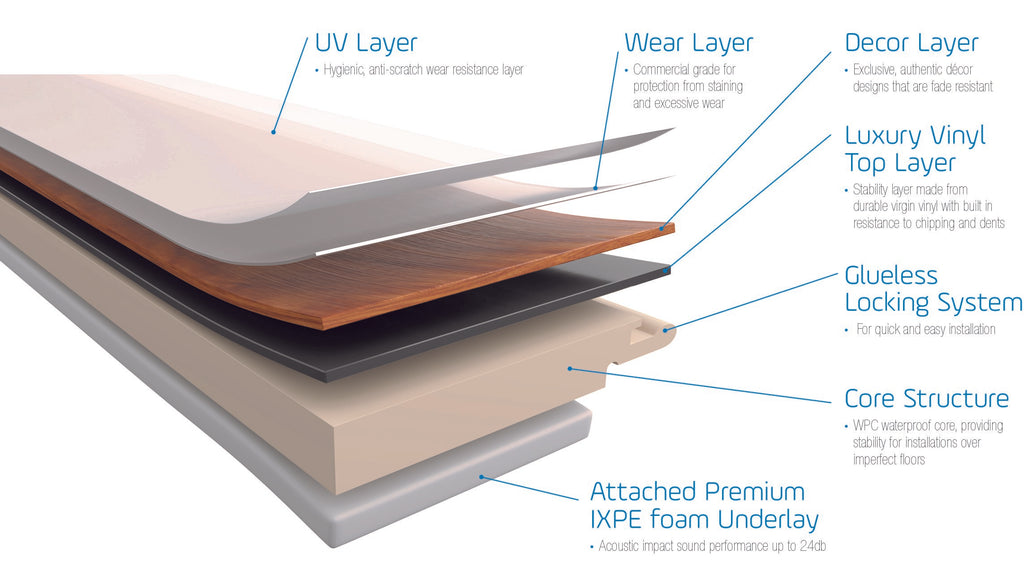
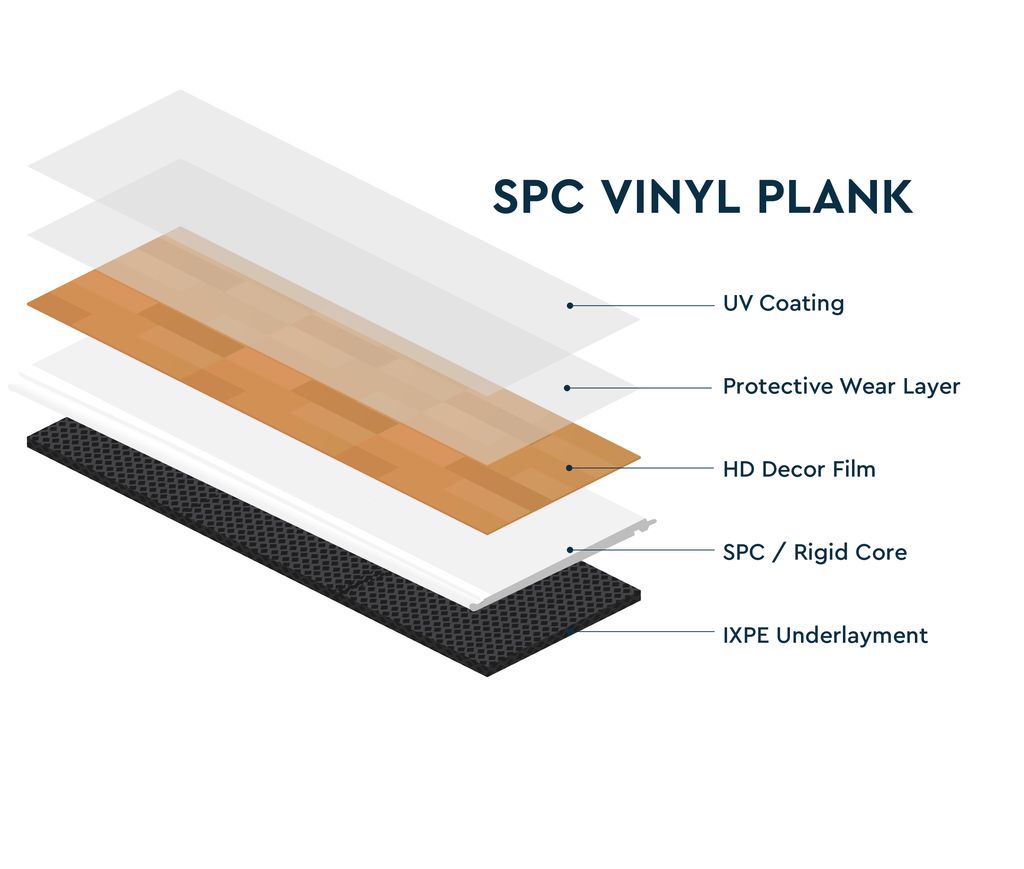
The wear layer is the clear protective coating on top of vinyl flooring. It’s the shield that stands between your floor and everyday life: shoes, chairs, pets, spills, and sun.
Measured in mils (one mil = one-thousandth of an inch), the wear layer’s job is to protect the decorative layer beneath it from:
Scratches
Scuffs
Fading
Stains
Surface wear
But thickness is only part of the equation.
Request an in-store appointment
What a Thicker Wear Layer Does Mean
Generally speaking:
6–8 mil: Light residential use
12 mil: Standard residential
20 mil: Heavy residential / light commercial
30 mil+: Commercial environments
A thicker wear layer can improve durability—but only if the material itself is high quality.
Think of it like sunscreen: SPF matters, but only if it’s actually effective.
What a Wear Layer Does Not Guarantee
A thicker wear layer does not automatically mean:
Scratch-proof flooring
Better dent resistance
Longer life
Higher quality
Better performance with pets
Why? Because many of the biggest threats to vinyl floors don’t even touch the wear layer.
Scratches vs Dents: The Big Misunderstanding
Here’s the key distinction most people never hear:
Scratches = surface damage → wear layer matters
Dents = compression damage → core matters
A chair leg, dog claw, or dropped pan can dent a floor without ever wearing through the wear layer.
That’s why:
SPC (rigid, stone core) resists dents better
WPC (softer core) feels better but dents more easily
The same 20 mil wear layer can perform very differently on different cores
Finish Quality Matters More Than Thickness
Two floors can both have a 20 mil wear layer and perform wildly differently.
Why? The finish technology on top of the wear layer matters just as much:
Ceramic bead coatings
UV-cured finishes
Scratch-resistant additives
Matte vs high-gloss finishes
A high-quality 12 mil wear layer with a strong finish can outperform a cheap 20 mil layer every day of the week.

Pets, Kids & Real Life
For active homes, wear layer alone isn’t the hero.
What really matters:
Core density (SPC vs WPC)
Finish hardness
Texture (embossing hides wear)
Proper furniture protection
Maintenance habits
That’s why “highest mil number” is often the wrong buying strategy.
Sunlight & Fading
Wear layers also protect against UV exposure, but again—quality matters.
Better wear layers:
Resist yellowing
Protect printed visuals
Maintain color consistency over time
Lower-quality wear layers may fade even at higher thicknesses.
The Right Question to Ask
Instead of:
“How thick is the wear layer?”
Ask:
What kind of finish does it have?
What core is it paired with?
Is it designed for my lifestyle?
How does it perform in real homes—not just on paper?
Numbers Don’t Live on Your Floor—You Do
Wear layers matter. But they don’t work alone.
The best-performing floors are built as systems—core, wear layer, finish, and installation all working together.
When those pieces are right, your floor doesn’t just last longer—it looks better doing it.


Copyright © 2026 Metro Flooring | Privacy | Accessibility